


 English
 Portugues
 Pусский
 العربية
unión bridada en tubería
Una unión bridada en una tubería es una conexión mecánica utilizada para unir dos tramos de tuberías o para conectar una tubería a equipos como válvulas, bombas o depósitos. Es uno de los métodos más comunes y prácticos en los sistemas de tuberías, ya que permite un fácil montaje, desmontaje, inspección y mantenimiento. Una unión bridada generalmente consta de dos bridas, una junta colocada entre ellas, y pernos o espárragos con tuercas que sujetan firmemente la conexión.El objetivo principal de una unión bridada es crear una conexión segura y resistente a fugas. Cada brida обычно se suelda, rosca o se fija de otro modo al extremo de una tubería. Cuando se deben unir dos extremos de tubería, las bridas se alinean cara a cara. Luego se inserta una junta entre las caras de las bridas para mejorar el sellado. Después, los pernos se aprietan de manera uniforme alrededor de la brida para que la junta se comprima y se forme un sellado hermético. Esta compresión ayuda a evitar fugas de fluido o gas bajo presión.Las uniones bridadas se utilizan ampliamente en industrias como la de petróleo y gas, procesamiento químico, tratamiento de aguas, generación de energía y construcción naval. Son especialmente útiles en sistemas donde las tuberías pueden necesitar ser retiradas para limpieza, reparación o sustitución. En comparación con las uniones soldadas permanentes, las uniones bridadas ofrecen mayor flexibilidad. Si una válvula o un tramo de tubería falla, se puede retirar y reemplazar sin cortar la propia tubería. Esto facilita mucho el mantenimiento y puede reducir el tiempo de inactividad en operaciones industriales.Existen varios tipos de bridas, entre ellas las bridas de cuello soldable, bridas deslizantes, bridas ciegas, bridas de soldadura por encastre y bridas roscadas. Cada tipo se selecciona según la presión, la temperatura, el tamaño de la tubería y las condiciones de servicio del sistema. Por ejemplo, las bridas de cuello soldable se utilizan a menudo en aplicaciones de alta presión porque proporcionan un soporte fuerte y reducen la concentración de tensiones. Las bridas ciegas se utilizan para cerrar el extremo de una tubería o la abertura de un recipiente. Las bridas roscadas son adecuadas para tuberías más pequeñas y sistemas de baja presión donde no se prefiere la soldadura.La junta es otra parte importante de la unión bridada. Debe estar hecha de un material que pueda soportar la temperatura de funcionamiento, la presión y las propiedades químicas del fluido. Los materiales comunes de las juntas incluyen caucho, grafito, PTFE y materiales de fibra comprimida. La elección de la junta afecta a la fiabilidad y durabilidad del sellado. Si la junta está dañada, se instala incorrectamente o no es adecuada para las condiciones de servicio, pueden producirse fugas.La instalación correcta de una unión bridada es muy importante. Las caras de las bridas deben estar limpias, alineadas y libres de rayaduras o suciedad. Los pernos deben apretarse siguiendo un patrón cruzado para garantizar una distribución uniforme de la presión. Un apriete desigual puede causar deformaciones, fallos en la junta o fugas. También es necesaria una inspección periódica, ya que la vibración, los cambios de presión y la dilatación térmica pueden aflojar la unión con el tiempo.En resumen, una unión bridada en una tubería es un método de conexión fiable y versátil que combina resistencia, rendimiento de sellado y facilidad de mantenimiento. Desempeña un papel crítico en muchos sistemas de tuberías y sigue siendo un componente esencial en la ingeniería moderna.
Producto
Categoría:
-
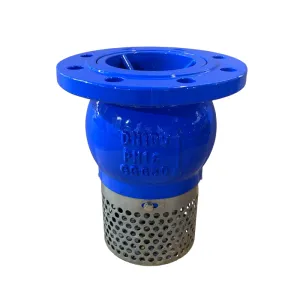
Válvula de pie
Su clasificación: Válvula de pieVistas: 123Número:Tiempo de liberación: 2026-08-10 21:31:00Los accesorios de tubería están fabricados en fundición dúctil con grafito esferoidal. Esto facilita la instalación de tuberías troncales en zonas urbanas densamente pobladas de grandes ciudades, y permite reducir el tamaño de las salas de válvulas, cuyas dimensiones dependen principalmente del espacio que ocupan los accesorios. Se utilizan habitualmente para conectar tuberías de agua, otros líquidos o gases, con o sin presión, instalados bajo tierra o en superficie, permitiendo desvíos, cambios de dirección o derivaciones de las tuberías. -
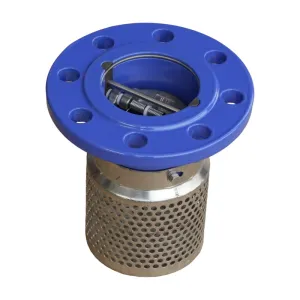
Válvula de pie de doble disco
Su clasificación: Válvula de pieVistas: 172Número:Tiempo de liberación: 2026-08-10 21:36:00Los accesorios de tubería están fabricados en fundición con grafito esferoidal. Esto facilita la instalación de tuberías troncales en zonas urbanas congestionadas de grandes ciudades y permite reducir el tamaño de las salas de válvulas, cuyo espacio depende principalmente del ocupado por los accesorios. Generalmente se utilizan para conectar tuberías de agua, otros líquidos o gases, con o sin presión, instalados subterránea o superficialmente, permitiendo desviar, cambiar la dirección o ramificar las tuberías.
Noticias
Categoría:
¡Sin resultados de búsqueda!
Caso
Categoría:
¡Sin resultados de búsqueda!
Video
Categoría:
¡Sin resultados de búsqueda!
Descargar
Categoría:
¡Sin resultados de búsqueda!
Reclutamiento
Categoría:
¡Sin resultados de búsqueda!
Productos recomendados
¡Sin resultados de búsqueda!



 Whatsapp
 Teléfono