


 English
 Portugues
 Pусский
 العربية
junta de tubería
Una unión de tuberías es un componente crítico utilizado para conectar dos o más secciones de tubería en un sistema de transporte de fluidos o gases. Está diseñada para garantizar la continuidad, la resistencia y un rendimiento estanco a lo largo de la tubería, al mismo tiempo que permite que el sistema opere de forma segura bajo presión interna, cargas externas, vibraciones y cambios ambientales. Las uniones de tuberías se utilizan ampliamente en industrias como el petróleo y el gas, el suministro de agua, la petroquímica, la generación de energía y la construcción. La función principal de una unión de tuberías es unir segmentos de tubería de forma segura y mantener una trayectoria de flujo estable. Dependiendo de la aplicación, una unión también puede proporcionar flexibilidad, absorber la expansión térmica, compensar movimientos o permitir el desmontaje para mantenimiento e inspección. En sistemas de tuberías de larga distancia, las uniones son especialmente importantes porque ayudan a la línea a adaptarse al asentamiento del terreno, las variaciones de temperatura y el esfuerzo mecánico. Existen varios tipos comunes de uniones de tuberías. Las uniones soldadas crean una conexión permanente mediante la fusión de los extremos de las tuberías. Ofrecen alta resistencia y un excelente rendimiento de sellado, lo que las hace adecuadas para servicios de alta presión y alta temperatura. Las uniones bridadas utilizan pernos y juntas de estanqueidad para conectar los extremos de las tuberías. Son fáciles de montar y desmontar, lo que las hace útiles en lugares donde se requiere mantenimiento rutinario. Las uniones roscadas se utilizan típicamente en tuberías más pequeñas y sistemas de menor presión, mientras que las uniones mecánicas y las uniones de acoplamiento suelen seleccionarse para una instalación rápida o para tuberías que necesitan cierto grado de flexibilidad. El diseño de una unión de tuberías debe considerar factores como la presión nominal, el material de la tubería, la temperatura de operación, la vibración, la resistencia a la corrosión y las condiciones de instalación. La elección del tipo de unión depende del entorno de servicio específico y de los requisitos de rendimiento. Por ejemplo, las tuberías que transportan fluidos corrosivos pueden requerir recubrimientos especiales, materiales de sellado o aleaciones resistentes a la corrosión. En las tuberías enterradas, las uniones también deben resistir el movimiento del suelo, la humedad y las cargas externas. Una instalación adecuada es esencial para la fiabilidad de una unión de tuberías. La desalineación, la mala calidad de la soldadura, los sellos dañados o un apriete incorrecto pueden provocar fugas, una reducción de la vida útil o incluso la falla del sistema. Por lo tanto, generalmente se realizan inspecciones y pruebas después de la instalación. Los métodos de prueba comunes incluyen la inspección visual, la prueba de presión y el examen no destructivo. En resumen, una unión de tuberías desempeña un papel vital en la seguridad, la eficiencia y la durabilidad de los sistemas de tuberías. No solo conecta secciones de tubería, sino que también ayuda a que todo el sistema funcione de manera fiable bajo condiciones operativas exigentes.
Producto
Categoría:
-
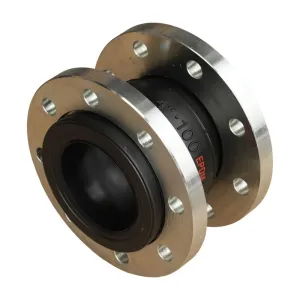
Junta de goma
Su clasificación: Junta de Conexión de TuberíaVistas: 144Número:Tiempo de liberación: 2026-08-25 19:28:20La junta de conexión de tuberías es un componente mecánico de conexión de tuberías diseñado para facilitar la instalación, desmontaje, ajuste y mantenimiento de válvulas, bombas, medidores y otros equipos de tuberías. Su diseño ajustable permite compensar fácilmente las tolerancias de instalación y proporciona un espacio suficiente para desmontar el equipo sin mover las tuberías conectadas.
Noticias
Categoría:
¡Sin resultados de búsqueda!
Caso
Categoría:
¡Sin resultados de búsqueda!
Video
Categoría:
¡Sin resultados de búsqueda!
Descargar
Categoría:
¡Sin resultados de búsqueda!
Reclutamiento
Categoría:
¡Sin resultados de búsqueda!
Productos recomendados
¡Sin resultados de búsqueda!



 Whatsapp
 Teléfono